When the Shed Is Too Cold for Your Freezer: A Climate-Class Reality Check
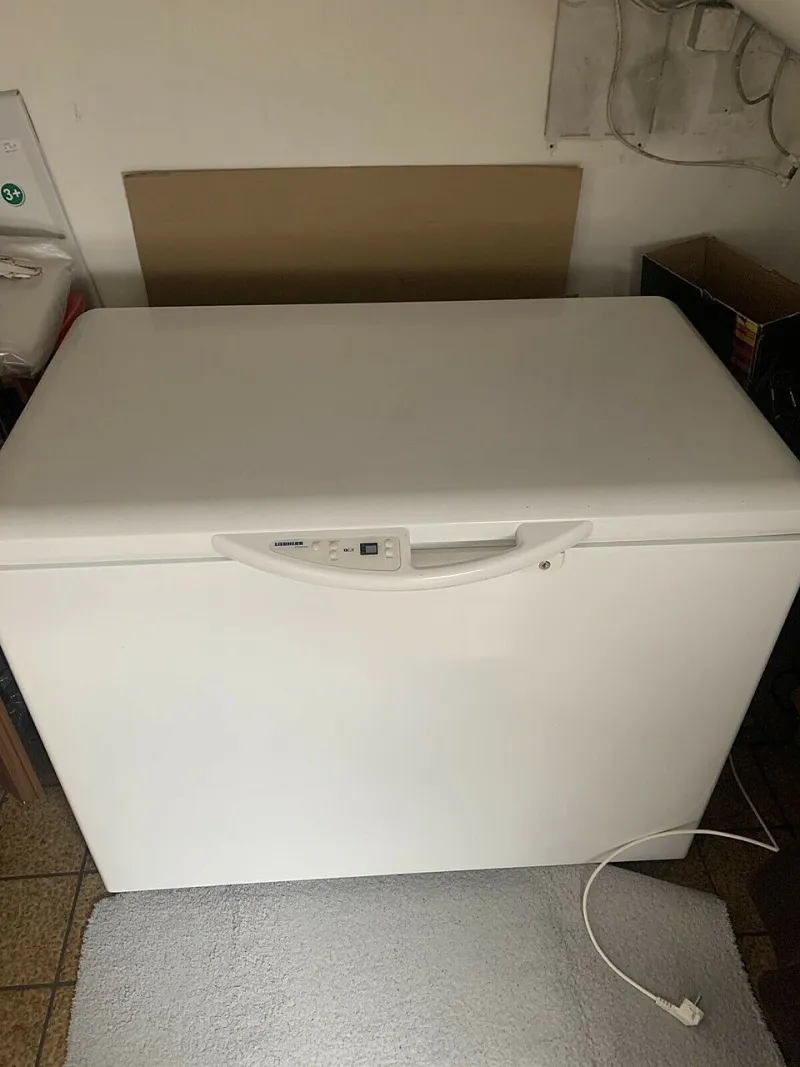
Photo: Laura Stoinski, CC0, via Wikimedia Commons
A second freezer is one of those purchases that makes perfect sense at the time. You have a bulk shop coming, a batch-cooking phase, or a garden glut to deal with, and the kitchen freezer is already full. So the chest freezer goes in the garage, the shed, or the utility room, and everyone feels organised. The trouble is that a freezer is not a magical cold box. It is a machine with a stated operating range, and a lot of UK outbuildings spend January well outside that range.
That matters for two reasons. First, your food may not stay as safely frozen as you think. Second, if something goes wrong, the warranty may not be the safety net you assumed. The clause that catches people out is usually not dramatic. It is a quiet line in the manual about operating the appliance within its climate class.
The bit of the rating plate most people ignore
Open the freezer door, or look at the back, and you will usually find a rating plate with a model number, serial number, refrigerant details and a short code such as SN, N, ST or T. That code is the climate class. It tells you the ambient temperature range the manufacturer expects the appliance to work in.
A rough guide looks like this:
- SN — roughly 10°C to 32°C
- N — roughly 16°C to 32°C
- ST — roughly 16°C to 38°C
- T — roughly 16°C to 43°C
Some appliances are marked with combined classes, such as SN-ST or SN-T, which means they cover a wider band. None of that is exotic. It is just the manufacturer being clear about the conditions the freezer was designed for.
The problem is that a British garage in winter can easily sit below 10°C, and sometimes below 0°C. A shed can be colder still. Even a utility room can dip if it is unheated and poorly insulated. If your freezer is rated N, ST or T, the bottom of its range is 16°C. That is a mild spring day, not a frosty morning in Sheffield.
Why cold makes a freezer behave oddly
You might think a freezer would love a cold room. In practice, low ambient temperatures can upset the control system. The thermostat, defrost cycle and compressor are set up for a particular temperature band. Push the appliance below that band and the compressor may not run often enough, or may struggle to start when it does. In a fridge-freezer, the fridge side can stop cooling altogether because the thermostat thinks the room is already cold enough. The freezer side may then drift or cycle in a way it was never designed to.
There is also the damp factor. Garages and sheds are often humid, and cold surfaces attract condensation. That is not a warranty issue on its own, but it is another reason an outbuilding is a different environment from a kitchen. Add in a power supply on an extension lead, a freezer jammed against a wall, or a door seal that never quite gets a clean run, and you have a machine working harder than it should.
The warranty wording that matters
Most appliance warranties cover manufacturing defects, not misuse. The exact wording varies by brand and retailer, but the theme is consistent: the appliance should be installed and operated in line with the manual. If the manual says the freezer is suitable for a climate class with a minimum ambient of 16°C, and yours has been sitting in a garage that drops to 4°C, a claim can be refused. It is not usually about a single cold snap. It is about whether the appliance was used in the environment the maker specified.
This is why the rating plate matters before you buy, not after. If you are shopping for a second freezer, look for the climate class in the product details or download the manual. Check whether the model is marketed as garage-ready and, more importantly, what minimum ambient temperature the manufacturer actually states. "Garage-ready" is a useful phrase, but it is not a substitute for a number. You want the manual to say something like "suitable for use in outbuildings down to -15°C" before you trust it with a winter's worth of food.
A garage, shed or utility room is not a kitchen
Before you commit a freezer to an outbuilding, spend a week measuring the temperature. A cheap min-max thermometer is enough. Put it where the freezer will sit, note the lowest and highest readings, and compare them with the climate class. If the space drops below the stated minimum, the freezer is in the wrong place. It really is that simple.
Also think about access and ventilation. A freezer needs space around it for air to move, and it needs to be somewhere you can reach without moving a lawnmower every time you want a bag of peas. Keep it off damp concrete if you can, make sure the plug is on a proper circuit rather than a daisy-chained extension lead, and check the door seal with a piece of paper. If the paper slides out easily all the way round, the seal is not doing its job.
What to buy if the outbuilding is non-negotiable
If the freezer must live outside the kitchen, buy for the location rather than the price tag. Look for a model with a stated low ambient rating, check the manual online before ordering, and ask the retailer to confirm the climate class in writing if you are buying online. A slightly smaller freezer that is rated for the space will be more useful than a large bargain that spends winter fighting the cold.
If you already own a freezer that is outside its class, the safest move is to relocate it to a heated space or accept that it is a fair-weather appliance. Do not wrap it in blankets, box it in without ventilation, or add a DIY heater. Those workarounds tend to create new problems, and they can make a warranty conversation much harder.
A second freezer can still be a genuinely good buy in 2026. Batch cooking, bulk buys and garden produce all make sense. Just do not let the garage become the default because it is the only spare corner. Check the climate class, check the manual, and check the winter temperature. A five-minute look at the rating plate is cheaper than losing a freezer full of food and finding out the warranty was never going to cover the shed.